On this page
The Borobudur dress code is straightforward, designed to ensure respectful visitation to this active sacred site and UNESCO World Heritage monument. Understanding what to wear at Borobudur, along with the temple’s etiquette rules, is crucial for a smooth and meaningful experience. It’s not just about looking presentable; it’s about honoring the spiritual significance of the world’s largest Buddhist temple and protecting its ancient structures for generations to come. Think of this as your practical pre-visit prep, reducing any anxiety about rules and allowing you to fully immerse yourself in the beauty of Borobudur.
I’ve chased the sunrise and explored Borobudur in every season, from the misty mornings on Setumbu Hill to the quiet moments on the temple’s upper platforms. Over those dozens of visits, I’ve seen firsthand how a little preparation regarding borobudur temple dress code makes all the difference. It ensures you’re comfortable, compliant, and ready to appreciate the scale and serenity of this incredible place without any last-minute surprises.
Understanding the Borobudur Dress Code: What to Wear
Let’s get straight to it: what should you actually wear when visiting Borobudur? The requirements are clear, reasonable, and easy to follow.
The Core Rule: Shoulders and Knees Covered
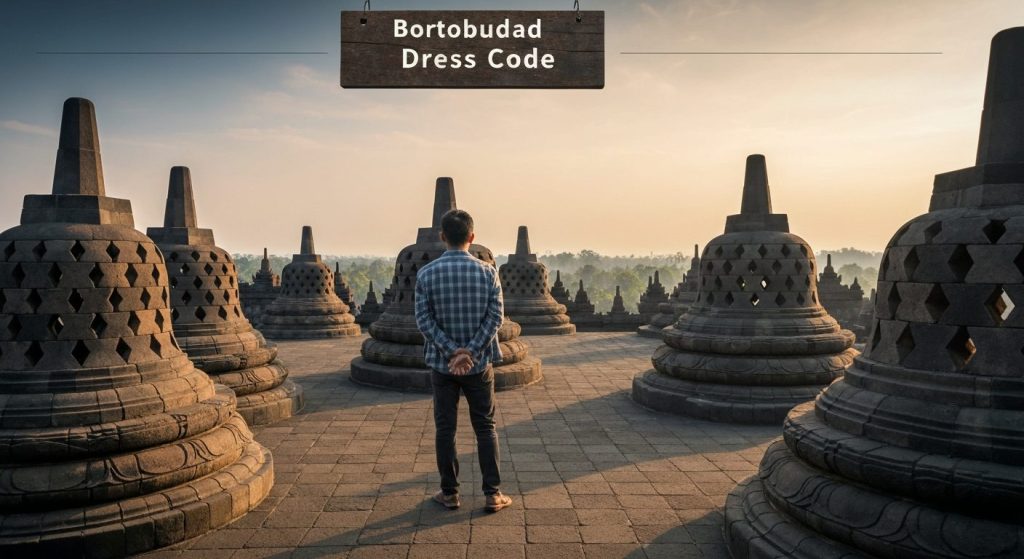
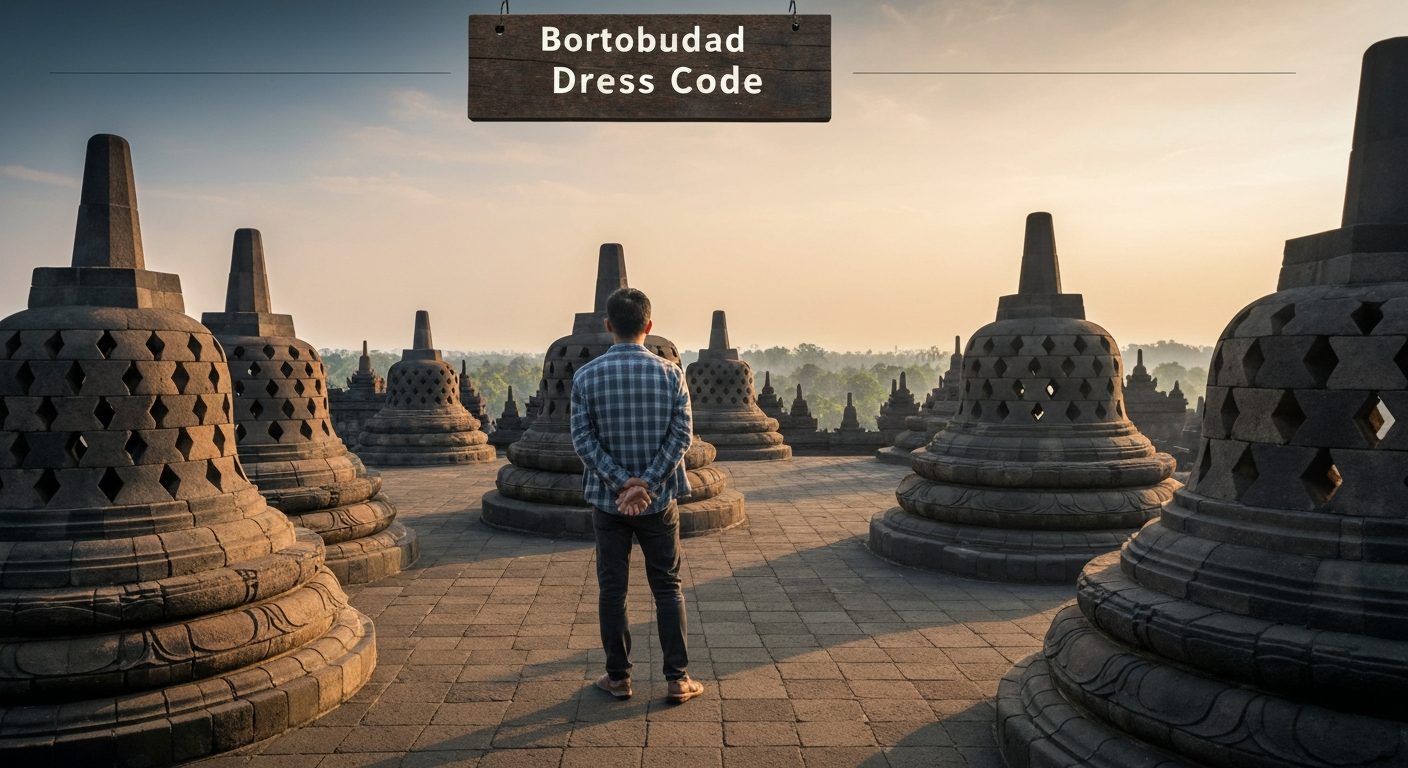
This is the most fundamental aspect of the borobudur dress code what to wear. For both men and women, shoulders and knees must be covered. This isn’t just a suggestion; it’s a requirement enforced by the temple authorities.
- For your top: Opt for t-shirts, polo shirts, or blouses that cover your shoulders. Sleeveless tops, tank tops, and spaghetti straps are not appropriate. If you prefer to wear a lighter top underneath, bring a light scarf, shawl, or jacket to cover your shoulders when you enter the temple grounds.
- For your bottom: Long pants, capri pants (that cover the knee), or a long skirt are perfect. Shorts, hot pants, and mini-skirts are not permitted unless you wear a sarong over them that sufficiently covers your knees.
Why it matters: Borobudur is a sacred Buddhist site. Dressing modestly is a universal sign of respect in religious and spiritual locations across many cultures. It shows reverence for the traditions and beliefs associated with the temple.
Material recommendations: Given Indonesia’s tropical climate, light, breathable fabrics like cotton or linen are your best friends. You’ll be walking, climbing stairs, and spending time outdoors, often in warm, humid conditions. Synthetic fabrics can feel stifling. Choose light colors too, as they reflect sunlight and help keep you cooler.
The Borobudur Sarong: Your Essential Wrap
If you arrive at Borobudur wearing clothing that doesn’t meet the “shoulders and knees covered” rule, don’t worry too much. The temple management provides sarongs at the entrance, usually just past the ticket counter, to ensure everyone can comply.
- Is a borobudur sarong rental temple service available? Yes, it’s typically included with your entry ticket or provided free of charge as part of the entrance process. You don’t usually need to “rent” it; it’s given to you to wear during your visit and returned upon exit.
- When and where you get it: As you pass through the main entrance area after your ticket is scanned, you’ll see a designated spot where staff hand out sarongs. They’ll often give a quick demonstration on how to tie it.
- How to wear it properly: The goal is to cover your knees. Simply wrap the sarong around your waist, ensuring it extends below your knees, and tie it securely. If you’re wearing shorts, make sure the sarong fully covers them.
Even if you’re already dressed appropriately, you might still be offered a sarong, especially when ascending to the upper platforms. It’s a good idea to accept and wear it as a further sign of respect. This practice is part of the borobudur temple dress code for all visitors.
What Shoes to Wear for the Borobudur Climb
This might seem like a minor detail, but the right footwear can significantly impact your comfort and safety during your visit. Borobudur involves a lot of walking and climbing stairs.
- Comfort and safety over style: Forget fashion for a few hours. Your priority should be comfortable, sturdy shoes that offer good grip.
- Sturdy sandals, sneakers, or walking shoes: These are ideal. You’ll be navigating many steps, some of which can be steep or uneven, especially as you ascend to the higher terraces and stupas.
- Avoid high heels, flip-flops, or flimsy sandals: These can be slippery on worn stone surfaces and offer little support, increasing your risk of tripping or twisting an ankle. I’ve seen a few close calls over the years.
- Consider socks: If you’re prone to blisters or simply prefer the extra cushioning, socks with your sneakers are a good idea.
The climb isn’t particularly strenuous for most people, but it is continuous, ascending through nine platforms (six square, three circular) to the main stupa. Good footwear will make the experience much more enjoyable.
Is there a Borobudur Head Covering Requirement?
Unlike some other religious sites, there is generally no strict borobudur head covering requirement for women who are not actively worshipping. You won’t be turned away if your head is uncovered.
However, many women choose to wear a scarf or hat, and it can be a thoughtful gesture of respect, especially when visiting particularly sacred areas or if you encounter monks or local worshippers.
- Sun protection: Practically speaking, a hat or scarf is highly recommended for sun protection. The tropical sun can be intense, especially during the middle of the day, and much of Borobudur is exposed. Protecting yourself from the sun will make your visit far more comfortable.
- Cultural sensitivity: While not mandatory, it’s always appreciated when visitors show an extra layer of respect at religious sites. If you have a light scarf, it doesn’t hurt to bring it along.
Borobudur Temple Etiquette Rules: Be a Respectful Guest
Beyond what you wear, how you behave at Borobudur is equally important. Remember, this isn’t just a tourist attraction; it’s a place of worship and a meticulously preserved UNESCO World Heritage site. Adhering to borobudur temple etiquette rules ensures a respectful and enriching experience for everyone.
Climbing the Stupas: The Path of Respect
The journey up Borobudur is designed to be a spiritual progression, moving from the earthly realm to Nirvana. Respecting this journey is key.
- Designated paths, no shortcuts: Always stick to the marked pathways and stairs. Do not climb on walls, railings, or any part of the temple structure that isn’t designated for walking. This protects the ancient stonework and ensures your safety.
- Pacing yourself, appreciating the journey: There are approximately 2,672 relief panels depicting Buddhist cosmology and the life of Buddha. Take your time. Walk slowly, observe the intricate carvings, and absorb the atmosphere. It’s not a race to the top.
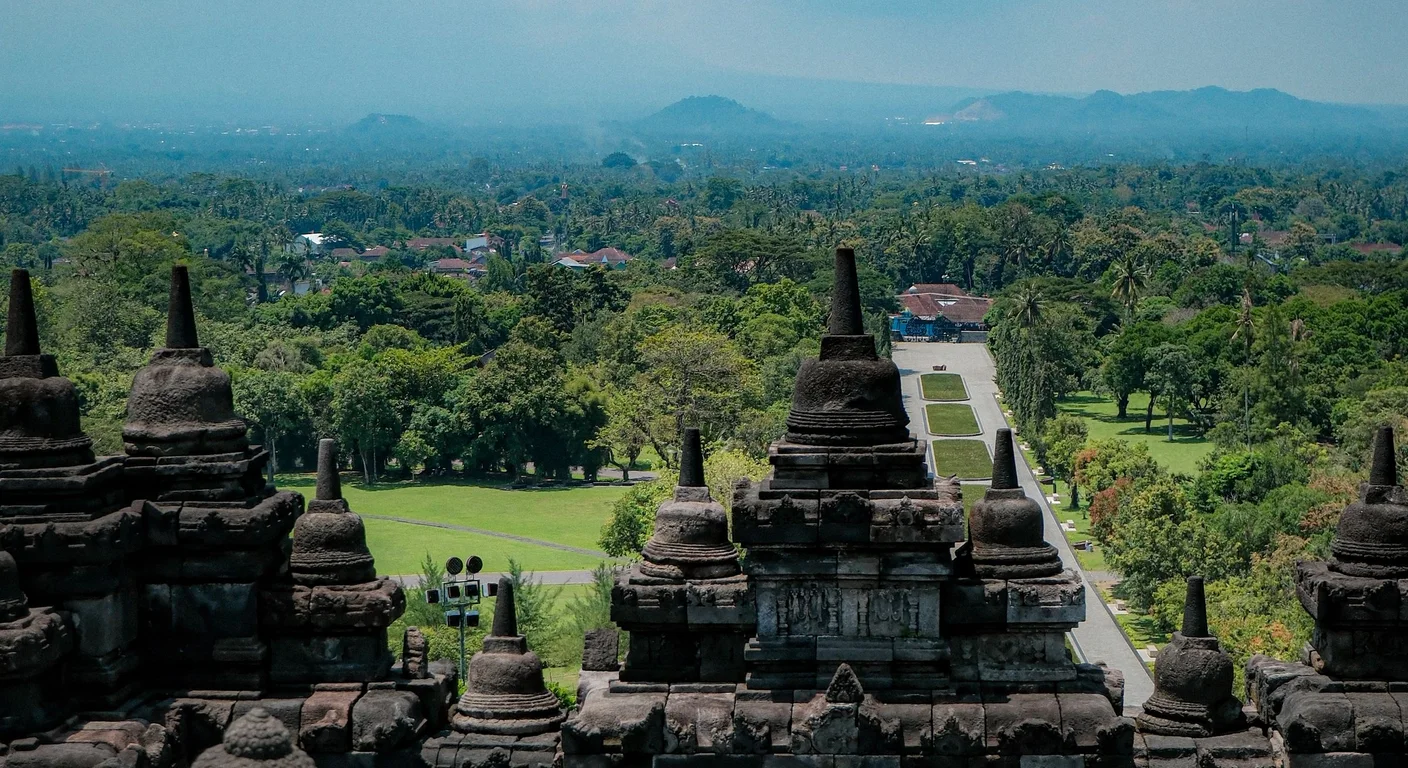
- The new platform access rules: Since Borobudur reopened post-pandemic, access to the very top platforms (Arupadhatu level, the circular terraces with the bell-shaped stupas) is often limited. Visitors typically need to be accompanied by a licensed local guide and are given specific time slots and limited numbers to minimize wear and tear on the monument. This is a crucial rule designed to preserve the temple. Your guide will manage this process for you.
Quiet Zones and Mindful Movement
Borobudur, especially in the early mornings or during specific ceremonies, can be a place of quiet contemplation.
- Maintain a calm demeanor: Avoid boisterous behavior, loud laughter, or shouting.
- Lower voices: Speak softly, especially when near other visitors who might be meditating, or near areas where monks or pilgrims are praying.
- No running or loud conversations: This isn’t a playground. Move calmly and deliberately.
Touching Reliefs and Buddha Statues: A Firm No
This is one of the most critical borobudur temple etiquette what not to do rules.
- Protecting ancient heritage: The reliefs and Buddha statues at Borobudur are over 1,200 years old. Even the slightest touch can contribute to their degradation over time, thanks to the oils and dirt from human hands.
- The damage caused by touch: You might think one touch won’t hurt, but multiplied by thousands of visitors daily, it causes irreversible damage. This is why many precious artifacts in museums are behind glass.
- Understanding the spiritual significance: Many of the Buddha statues and reliefs are considered sacred. Touching them disrespectfully is frowned upon both culturally and spiritually. There are 504 Buddha statues here; admire them with your eyes, not your hands.
Do not touch, sit on, climb on, or lean against any of the temple structures, reliefs, or statues. This also extends to the famous “lucky Buddha” inside the perforated stupa – reaching in to touch it is strictly forbidden and harmful to the statue.
Borobudur Photography Rules & Drone Limits
Borobudur is a photographer’s dream, and I’ve spent countless hours capturing its beauty. However, there are important borobudur photography rules to be aware of.
- General photography is fine, but be mindful of others: You are welcome to take photos for personal use. However, be aware of your surroundings. Don’t block pathways, hog prime photo spots for extended periods, or disrupt other visitors’ experiences.
- No tripods on stupas, no climbing on structures for photos: This goes back to protecting the temple. Tripods, especially heavy ones, can scratch or damage the stone. Never climb onto a stupa or any part of the temple to get a better angle; it’s disrespectful and dangerous.
- Drone rules: strict permits required, not for casual visitors: Flying a drone over Borobudur is highly restricted. It requires special permits from multiple authorities, is expensive, and is generally reserved for professional documentary teams or special events. Do not bring a recreational drone expecting to fly it; you will not be allowed, and it could lead to legal issues.
- Respecting monks and worshippers in photos: If you wish to photograph a monk or someone engaged in prayer, always ask for permission first. If they decline, respect their wishes. Avoid taking intrusive close-up shots without consent.
Respecting Monks and Prayer Activities
You might encounter Buddhist monks or pilgrims during your visit, especially during significant dates or early mornings.
- Give way, do not interrupt: If you see monks or pilgrims, give them ample space. Allow them to pass or continue their activities uninterrupted. Do not walk in front of them or block their path.
- Observe from a distance: If they are meditating or praying, observe respectfully from a distance.
- No unsolicited photos: As mentioned, always ask permission before taking photographs of individuals, especially those engaged in religious practices.
Leave No Trace: Protecting a UNESCO World Heritage Site
This principle is fundamental to visiting any natural or cultural heritage site.
- Rubbish in bins: Dispose of all your trash in designated bins. Do not litter.
- No smoking or vaping: Smoking and vaping are strictly prohibited within the temple complex.
- No marking or defacing structures: Do not write on, scratch, or in any way deface the temple walls or stones. It is an act of vandalism against ancient heritage.
- No feeding animals: While you might see some birds or monkeys, refrain from feeding them. It can disrupt their natural behavior and diet.
Practical Prep: What to Pack and What Not to Do Checklist
To make your Borobudur visit as enjoyable and stress-free as possible, a little foresight in packing and a clear understanding of what to avoid will go a long way.
What to Pack for Your Borobudur Visit
Here’s a quick checklist of essentials:
- Light, breathable clothing: Pack long sleeves and long pants/skirts made of cotton or linen to cover shoulders and knees comfortably. Even if you plan to wear the provided sarong, a modest base layer is always a good idea.
- Sunscreen: The sun can be intense. Apply generously before you start your climb.
- Hat and sunglasses: Essential for protecting your face and eyes from the strong tropical sun.
- Water bottle: Stay hydrated! You can often refill water bottles at designated spots or purchase bottled water before entering the main temple area. Avoid single-use plastics where possible.
- Small bag: A small backpack or cross-body bag to carry your essentials. Leave large, heavy bags in your vehicle or accommodation.
- Camera gear: Your camera, extra battery, and memory card are a must for capturing the views. Just remember the photography rules.
- Small umbrella or rain jacket: Especially during the rainy season (roughly November to April), sudden showers are common. A compact umbrella can also double as sun protection.
- Insect repellent: While not usually a major issue on the temple itself, if you’re visiting surrounding areas or staying nearby, it can be useful.
Borobudur Temple Etiquette: What Not to Do
To reinforce the key points, here’s a quick borobudur temple etiquette what not to do list:
- Don’t wear revealing clothing
- No tank tops, short shorts, or mini-skirts without a sarong.
- Don’t touch statues or reliefs
- Keep your hands off the ancient stonework and Buddha figures.
- Don’t climb on structures
- Never sit on railings, climb walls, or use stupas as photo props.
- Don’t speak loudly or shout
- Maintain a respectful volume, especially near others or in quiet zones.
- Don’t litter
- Use designated bins for all trash.
- Don’t fly drones without permits
- Recreational drone use is strictly prohibited.
- Don’t disrespect monks or worshippers
- Give way, do not interrupt, and ask permission for photos.
- Don’t bring large bags onto the temple platforms
- Keep your belongings light and manageable.
- Don’t smoke or vape
- These activities are forbidden within the temple complex.
Why a Guided Borobudur Trip Makes All the Difference
Navigating the nuances of borobudur temple dress code and borobudur temple etiquette rules is definitely manageable on your own, but having a knowledgeable local guide elevates the entire experience. They are your key to a seamless visit.
A good guide will not only enrich your understanding of Borobudur’s history, symbolism, and spiritual significance but also expertly handle all the practicalities. They’ll ensure you have the correct sarong, brief you on the latest access rules for the upper platforms, and gently remind you of respectful behavior – often before you even step foot on the temple grounds. This frees you up to fully absorb the monument’s grandeur without worrying about inadvertent missteps.
When you plan your trip with Borobudur Package, which is operated by Bali Premium Trip, you book directly with our reservations team at transparent, published rates with no third-party markup. We arrange third-party services such as comfortable private transport and, crucially, licensed local guides via our vetted partners. This means your guide is not just a driver; they’re an expert who understands the site intimately. For instance, a comprehensive private day tour from Yogyakarta to Borobudur, including return transport, entry tickets, and a licensed local guide, can range from US$120-250 per person (last verified June 2026), depending on the specific inclusions and group size. This investment ensures a truly informed and respectful visit, allowing you to focus on the magic of Borobudur.
Ready to experience Borobudur with confidence and respect? Let us help you plan your trip. Our team is available via WhatsApp to discuss your ideal itinerary.
Do I have to wear a sarong at Borobudur?
Yes, if your clothing does not cover your shoulders and knees. While some areas of the Borobudur complex allow for more casual attire, to enter the main temple grounds and especially to climb the monument, you must have your shoulders and knees covered. If your own clothing doesn’t meet this requirement, a sarong will be provided for you at the entrance, usually included with your ticket.
Can I wear shorts to Borobudur?
You can wear shorts to the general Borobudur park area. However, if your shorts do not cover your knees, you will be required to wear a sarong over them to enter the temple monument itself. It’s generally easier and more respectful to simply wear long pants or a long skirt from the outset.
Are there specific rules for photography?
Yes, there are. General photography for personal use is permitted, but tripods are typically not allowed on the upper platforms, and you must not climb on any part of the temple structures (stupas, walls, reliefs) for photos. Drones are strictly prohibited without special permits. Always be mindful of other visitors and do not photograph monks or worshippers without their explicit permission.
Is Borobudur accessible for everyone?
Borobudur involves climbing many stairs to reach its higher platforms, which can be challenging for those with significant mobility issues. There are no elevators or ramps for the main monument. However, the surrounding park grounds are relatively flat, and visitors can still appreciate the temple from its base. Limited access to the very top platforms might also apply, requiring a guide.
What’s the best time to visit for fewer crowds?
The absolute best time for fewer crowds is usually right at opening (typically 6 AM for regular tickets, or earlier for special sunrise tours) or later in the afternoon, closer to closing time. Weekdays are generally less crowded than weekends. Visiting during the low season (roughly November to April, outside of major holidays) also tends to mean fewer people, though you might encounter more rain.