Borobudur + Prambanan Tour Combined Temple Package & Itinerary
On this page
- 01 Why Combine Borobudur and Prambanan? The Ultimate Central Java Temple Tour
- 02 Planning Your Borobudur Prambanan Tour: Same-Day or Two-Day Itinerary?
- 03 Starting Point: Borobudur Prambanan Tour From Yogyakarta or Bali?
- 04 Borobudur and Prambanan Temple Access: Tickets, Climbing, and Regulations
- 05 Sunrise at Borobudur: Is it Worth the Early Start?
- 06 Prambanan Sunset: A Dramatic End to Your Day
- 07 Beyond the Main Temples: Mendut, Pawon, and Ratu Boko
- 08 Private vs. Group Tour: What’s the Real Difference?
- 09 What’s Included in a Borobudur + Prambanan Package with Bali Premium Trip?
- 10 The Real Cost of a Borobudur + Prambanan Tour Package
- 11 When is the Best Time to Visit Borobudur and Prambanan?
A Borobudur Prambanan tour combines two of Java’s most iconic ancient sites into a single, comprehensive cultural journey. This Borobudur and Prambanan tour package is the most popular way to experience Central Java’s rich history, whether you have one day or a more relaxed two-day itinerary. We help you navigate the real costs, timing, and access rules to arrange a private, expert-guided trip operated by Bali Premium Trip.
I’m the Trip Cost & Logistics Analyst at Borobudur Package. I’ve seen the sun rise over Borobudur more times than I can count, and watched it set behind Prambanan too. My job is to break down the true economics of these trips, so you understand exactly where your money goes. Forget the hype. This is the honest version: what’s worth it, what isn’t, and what it actually costs to see these incredible temples.
When you plan your Borobudur Prambanan tour with us, you’re engaging directly with Bali Premium Trip. We handle all the details, from licensed local guides to permits and transfers, ensuring a seamless experience from start to finish. Our team at Bali Premium Trip, founded in Kuta in 2015, is dedicated to providing transparent, high-quality private tours.
Why Combine Borobudur and Prambanan? The Ultimate Central Java Temple Tour
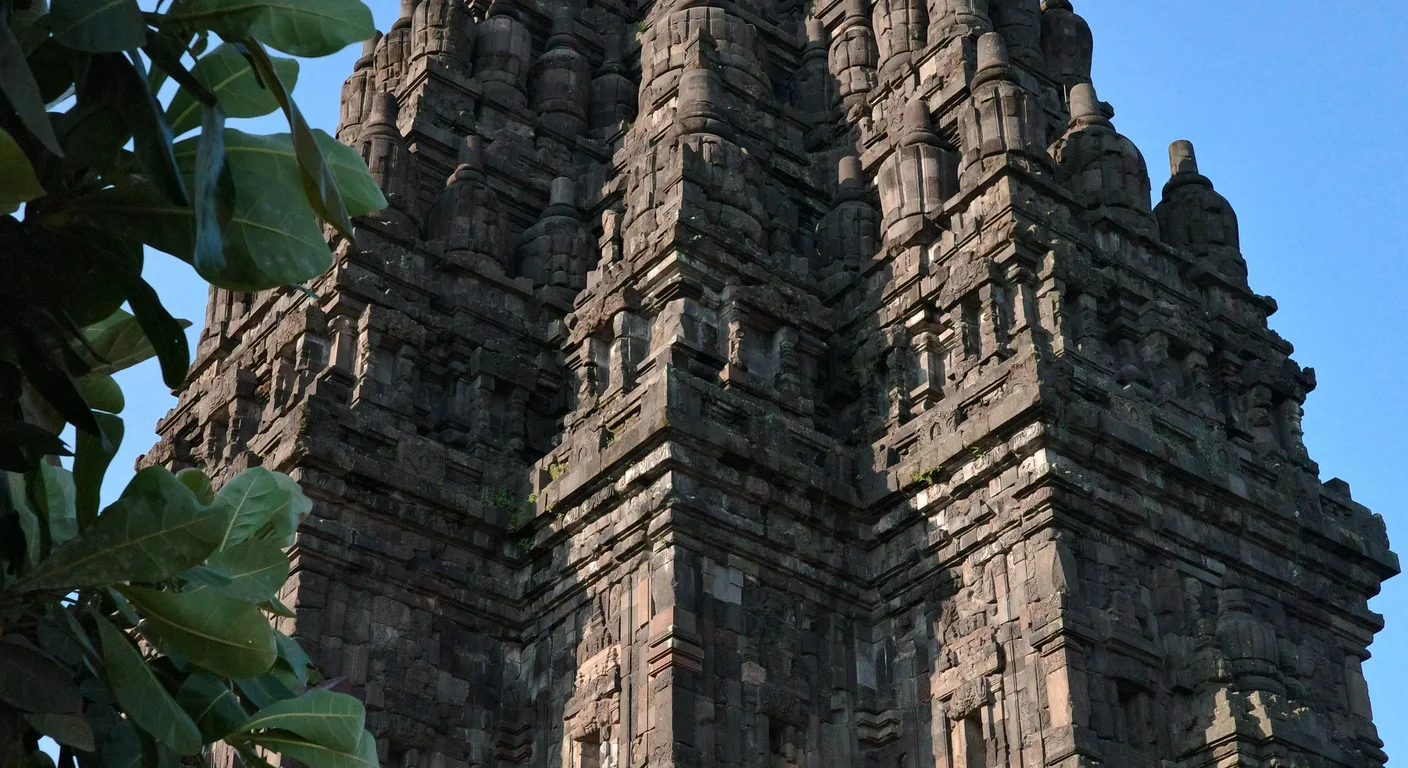
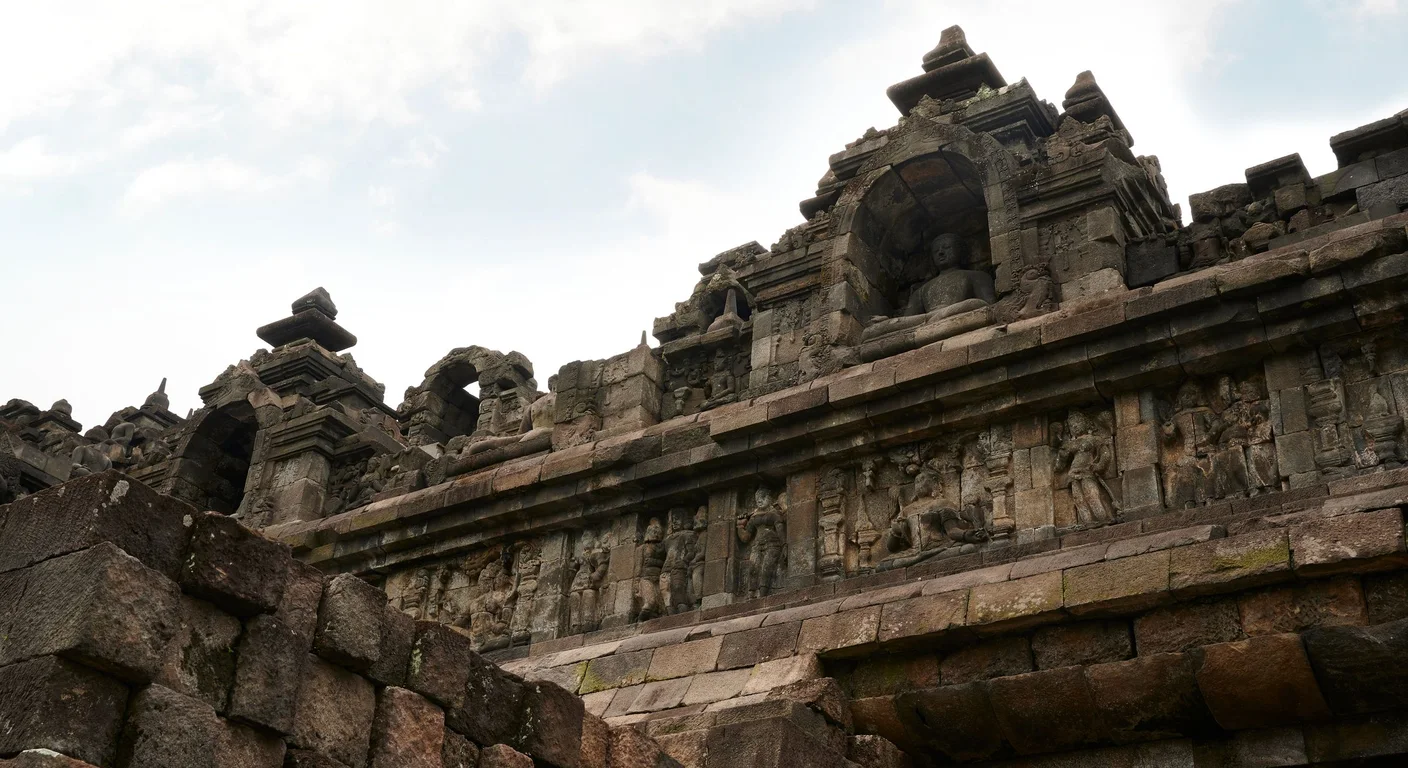
Borobudur and Prambanan represent two distinct, yet equally magnificent, chapters of Indonesian history and religious architecture. Borobudur is the world’s largest Buddhist temple, a massive stupa complex built in the 9th century, adorned with thousands of relief panels depicting Buddhist cosmology. Prambanan, also from the 9th century, is a grand Hindu temple complex dedicated to the Trimurti – Brahma, Vishnu, and Shiva – showcasing towering spires and intricate carvings.
Combining these two sites into a Borobudur tour including Prambanan offers a profound contrast and complement. You move from the serene, contemplative atmosphere of Borobudur’s Buddhist narrative to the dramatic, powerful deities of Prambanan. Both are UNESCO World Heritage Sites, vital for anyone seeking to understand Java’s rich past. A Borobudur Prambanan day tour is a physically demanding but deeply rewarding experience, while a Borobudur Prambanan 2 day itinerary allows for a more relaxed pace.
The Historical Context: Buddhism Meets Hinduism
Borobudur’s construction began around 750 AD under the Sailendra Dynasty. It’s a symmetrical mandala, a spiritual journey in stone, meant to guide pilgrims to enlightenment. The structure is built with grey volcanic andesite stone, meticulously carved to tell stories of the Buddha’s life and teachings.
Prambanan, built roughly 50 years later by the Sanjaya Dynasty, represents a resurgence of Hindu power in Java. Its central Shiva temple reaches nearly 47 meters high, surrounded by smaller shrines. The reliefs here tell epic tales like the Ramayana. Visiting both allows you to witness the peaceful coexistence and architectural brilliance of these two major religions during ancient Java’s golden age.
Planning Your Borobudur Prambanan Tour: Same-Day or Two-Day Itinerary?
The biggest decision for most travelers is whether to attempt a Borobudur Prambanan day tour or spread the experience over two days. Each option has its merits, largely depending on your time constraints, budget, and desired pace.
Borobudur Prambanan Day Tour: The Classic, Compact Option
This is the most common choice for those with limited time, especially if traveling from Yogyakarta. It’s a long day, starting early to catch the sunrise at Borobudur and often ending with sunset views at Prambanan or nearby Ratu Boko.
Pros:
- Time-efficient: Maximizes sightseeing in a single day.
- Cost-effective: Reduces accommodation costs and some transfer fees compared to an overnight stay.
- High impact: Experiencing both sunrise at Borobudur and sunset at Prambanan creates a memorable, dramatic day.
Cons:
- Intense pace: Requires early starts and can be physically tiring, especially in Java’s tropical heat.
- Less time at each site: You might feel rushed, with less opportunity for in-depth exploration or quiet contemplation.
- Weather dependency: A single day means less flexibility if weather impacts your sunrise/sunset views.
Typical Day Tour Itinerary (from Yogyakarta):
- 03:30 AM: Pick-up from your Yogyakarta hotel.
- 04:30 AM: Arrive at Borobudur, check in for sunrise access (if pre-booked).
- 05:00 AM – 07:00 AM: Experience Borobudur sunrise, explore the temple with a guide.
- 07:00 AM – 08:00 AM: Breakfast near Borobudur.
- 08:00 AM – 09:00 AM: Visit nearby Mendut and Pawon temples (optional, included in most tours).
- 09:00 AM – 11:00 AM: Transfer to Prambanan area.
- 11:00 AM – 01:00 PM: Explore Prambanan complex with a guide.
- 01:00 PM – 02:00 PM: Lunch near Prambanan.
- 02:00 PM – 03:00 PM: Optional visit to Ratu Boko Palace ruins for sunset (additional ticket/time).
- 03:00 PM – 04:00 PM: Return to your Yogyakarta hotel.
This is a packed schedule. While the logistics are managed seamlessly by our drivers and guides, it’s important to be prepared for the pace.
Borobudur Prambanan 2 Day Itinerary: A More Relaxed Approach
For those who prefer a deeper dive or simply want to avoid rushing, a two-day itinerary is ideal. This is particularly popular for travelers coming from Bali, who will likely fly into Yogyakarta and stay overnight.
Pros:
- Relaxed pace: More time to absorb each temple, explore at leisure, and take better photographs.
- In-depth exploration: Allows for longer guided tours and more time to appreciate the intricate details.
- Flexibility: Better accommodates weather changes or allows for spontaneous detours.
- Includes more sites: Easier to add Borobudur Mendut Pawon temple tour and Borobudur Prambanan Ratu Boko tour without feeling rushed.
Cons:
- Higher cost: Requires an extra night of accommodation and potentially more transfer costs.
- More time commitment: Takes two full days, which might not be feasible for all travelers.
Typical Two-Day Itinerary (from Yogyakarta or Bali):
Day 1: Borobudur & Surrounding Temples
- Morning (from Yogyakarta): Pick-up from hotel. Or (from Bali): Fly to Yogyakarta (YIA), pick-up at airport.
- Mid-morning: Check into hotel near Borobudur or in Yogyakarta.
- Late morning/Early afternoon: Visit Mendut and Pawon temples. These smaller, but significant, Buddhist temples are closely related to Borobudur and offer a peaceful prelude.
- Afternoon: Explore Borobudur temple. Take your time, walk the terraces, and understand the narratives. If you didn’t opt for sunrise, this is your main visit.
- Evening: Dinner and overnight stay near Borobudur or in Yogyakarta.
Day 2: Prambanan & Royal Palace
- Morning: Breakfast at your hotel.
- Mid-morning: Drive to Prambanan complex.
- Late morning/Early afternoon: Explore Prambanan. Visit the main Shiva, Brahma, and Vishnu temples, as well as the Candi Sewu and Candi Bubrah complexes within the larger park.
- Afternoon: Optional visit to Ratu Boko Palace ruins, particularly for sunset views over Prambanan (if time allows and you’re not flying out). Alternatively, a Borobudur Yogyakarta Palace Temple tour could include the Sultan’s Palace (Kraton) and Taman Sari (Water Castle) in Yogyakarta city before heading to the airport.
- Evening (from Yogyakarta): Drop-off at your hotel or Yogyakarta International Airport (YIA) for your flight out.
- Pace: Same-Day is fast-paced, covering ground quickly. Two-Day is relaxed, allowing for deeper exploration.
- Cost: Same-Day generally lower total cost (no extra hotel night). Two-Day incurs additional accommodation and potentially more dining.
- Coverage: Same-Day focuses on Borobudur and Prambanan main sites. Two-Day easily incorporates Mendut, Pawon, and Ratu Boko.
- Traveler Type: Same-Day suits those with limited time or budget. Two-Day is for cultural enthusiasts and those seeking a more immersive experience.
- Sunrise/Sunset: Same-Day can combine Borobudur sunrise and Prambanan sunset for a dramatic effect. Two-Day offers flexibility to choose or repeat.
Starting Point: Borobudur Prambanan Tour From Yogyakarta or Bali?
Your starting location significantly impacts the logistics and cost of your Borobudur Prambanan tour. Most travelers either base themselves in Yogyakarta or fly in for a short trip from Bali.
Borobudur Prambanan Tour From Yogyakarta
Yogyakarta (often shortened to Jogja) is the natural gateway to Central Java’s temples. It’s a vibrant city with its own cultural attractions, making it an excellent base.
Logistics from Yogyakarta:
- Proximity: Borobudur is about 1.5 hours’ drive northwest of Yogyakarta city. Prambanan is about 45 minutes east of the city.
- Transport: Private car with a driver is the most convenient option. Our Bali Premium Trip tours include comfortable, air-conditioned vehicle transfers. Public transport exists but is less efficient for a packed temple tour.
- Accommodation: Yogyakarta offers a wide range of hotels, from budget guesthouses to luxury resorts. Staying in the city allows you to explore its own sights like the Kraton (Sultan’s Palace), Taman Sari (Water Castle), and Malioboro Street.
- Cost: Generally more affordable as it removes the flight component. A private Borobudur Prambanan tour from Yogyakarta, including transfers, guide, and entrance fees, typically ranges from US$180 to US$350 per person for a full day, depending on group size and specific inclusions. These are indicative prices, last verified June 2026, and can vary.
Borobudur Prambanan From Bali
Many international travelers visit Bali first and then consider a short trip to Central Java. This requires flights and more extensive planning.
Logistics from Bali:
- Flights: You’ll need to fly from Denpasar (DPS) to Yogyakarta International Airport (YIA). Domestic flights are frequent, typically taking about 1 hour and 15 minutes. Airlines like Garuda Indonesia, Citilink, and Lion Air operate this route.
- Timing: Factor in airport transfers, check-in, and potential delays. A two-day itinerary is highly recommended for travelers from Bali to allow sufficient time and avoid exhaustion.
- Accommodation: You’ll need at least one night’s stay in Yogyakarta or near Borobudur.
- Cost: Significantly higher due to return flights, airport transfers, and potentially an extra night of accommodation. A Borobudur Prambanan 2 day itinerary from Bali with flights, all ground transfers, guide, and overnight stay (mid-range hotel) typically starts from US$700 to US$1,200 per person, last verified June 2026, and can vary based on flight prices, hotel choice, and specific tour inclusions.
Borobudur and Prambanan Temple Access: Tickets, Climbing, and Regulations
Understanding ticket policies and access rules is crucial for a smooth Borobudur Prambanan tour. These sites are actively managed by the Indonesian government, and regulations can change.
Combined Tickets: Borobudur Prambanan Combined Ticket Same Day
Indonesia offers a combined ticket for Borobudur and Prambanan, which is often slightly cheaper than buying individual tickets.
- Purchase: The combined ticket can usually be purchased at the entrance gate of either Borobudur or Prambanan.
- Cost: As of June 2026, the combined international visitor ticket is approximately US$45-55 per person. Individual temple tickets are around US$25-30 each. These are indicative prices and subject to change without prior notice.
- Validity: The combined ticket is generally valid for two consecutive days, allowing you to visit one temple on day one and the other on day two, or both on the same day. This offers flexibility.
Information, not licensed advice: Ticket prices and validity periods are managed by the temple authorities and can change. Always verify the latest information at the time of your visit or through your tour operator.
Borobudur Temple Access: Climbing and Zones
Borobudur has tiered access policies to protect its delicate structure.
- Sunrise Access: Special sunrise tickets are often required to enter the temple complex before general opening hours (usually before 6 AM). These tickets are managed by specific operators (like Manohara Resort, though policies change) and may involve different entry points and higher costs (approximately US$30-50 for non-temple climb sunrise access, or US$45-65 for temple climb access, last verified June 2026).
- Temple Climb (Stupa Levels): As of recent regulations, access to the upper stupa levels of Borobudur, including the main circular terraces and central stupa, is often restricted to a limited number of visitors per day and requires a special “temple climb ticket” or reservation. This usually involves wearing special sandals and being accompanied by a local temple guide. Without this special ticket, you can only explore the base and lower terraces. Our Bali Premium Trip tours will clarify current climbing access and include necessary arrangements.
- General Access: During regular operating hours (typically 6 AM to 5 PM), you can access the temple grounds and the lower levels of Borobudur.
Prambanan Temple Access: Exploring the Hindu Complex
Prambanan offers a more open access policy, though certain areas may be roped off for restoration.
- General Access: Visitors can generally walk freely through the Prambanan complex during opening hours (typically 6 AM to 5 PM). You can enter the courtyards and explore the main temples (Shiva, Brahma, Vishnu) from ground level.
- Inner Chambers: Access to the inner chambers of the main temples is usually permitted, allowing you to see the statues of the deities.
- Surrounding Temples: Your ticket typically includes access to other nearby temples within the archaeological park, such as Candi Sewu and Candi Bubrah, which are a short walk or shuttle ride away.
Sunrise at Borobudur: Is it Worth the Early Start?
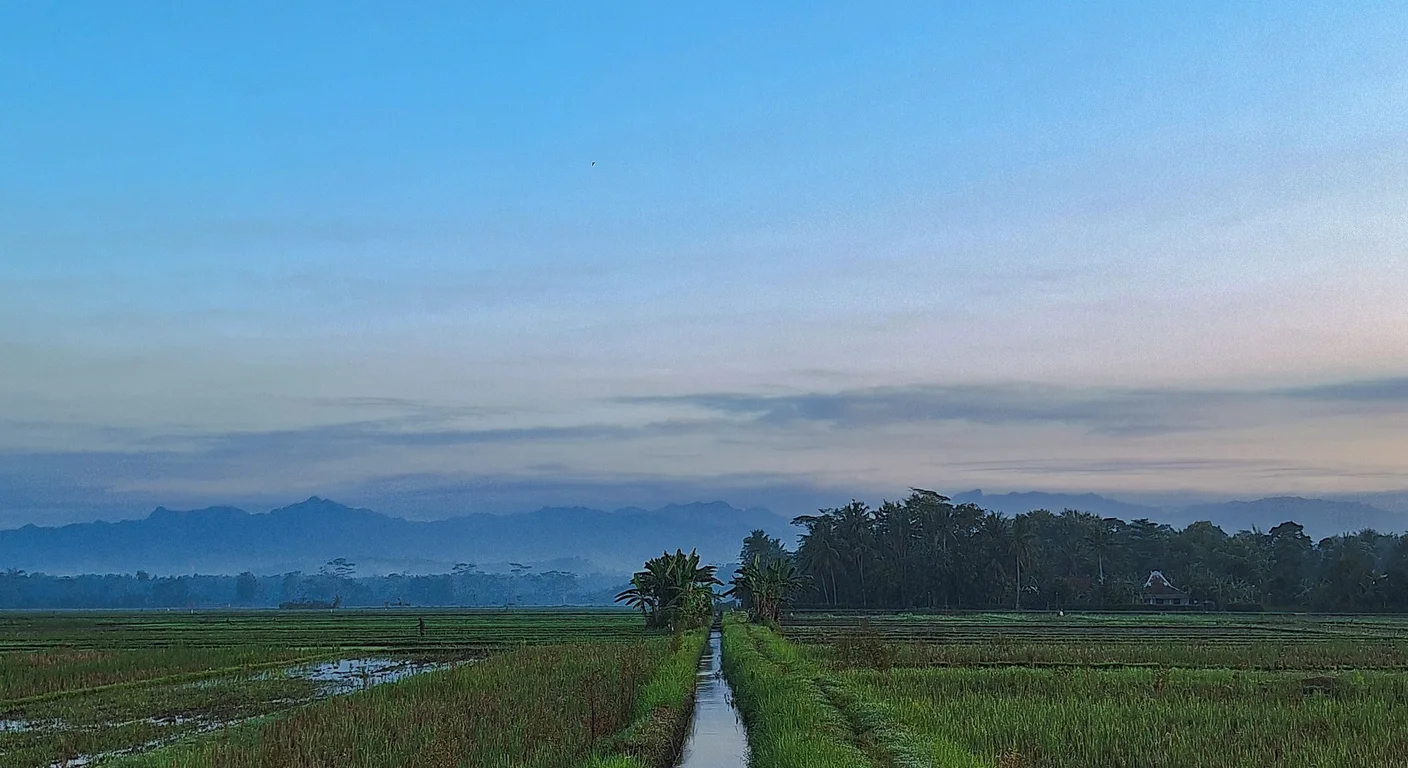
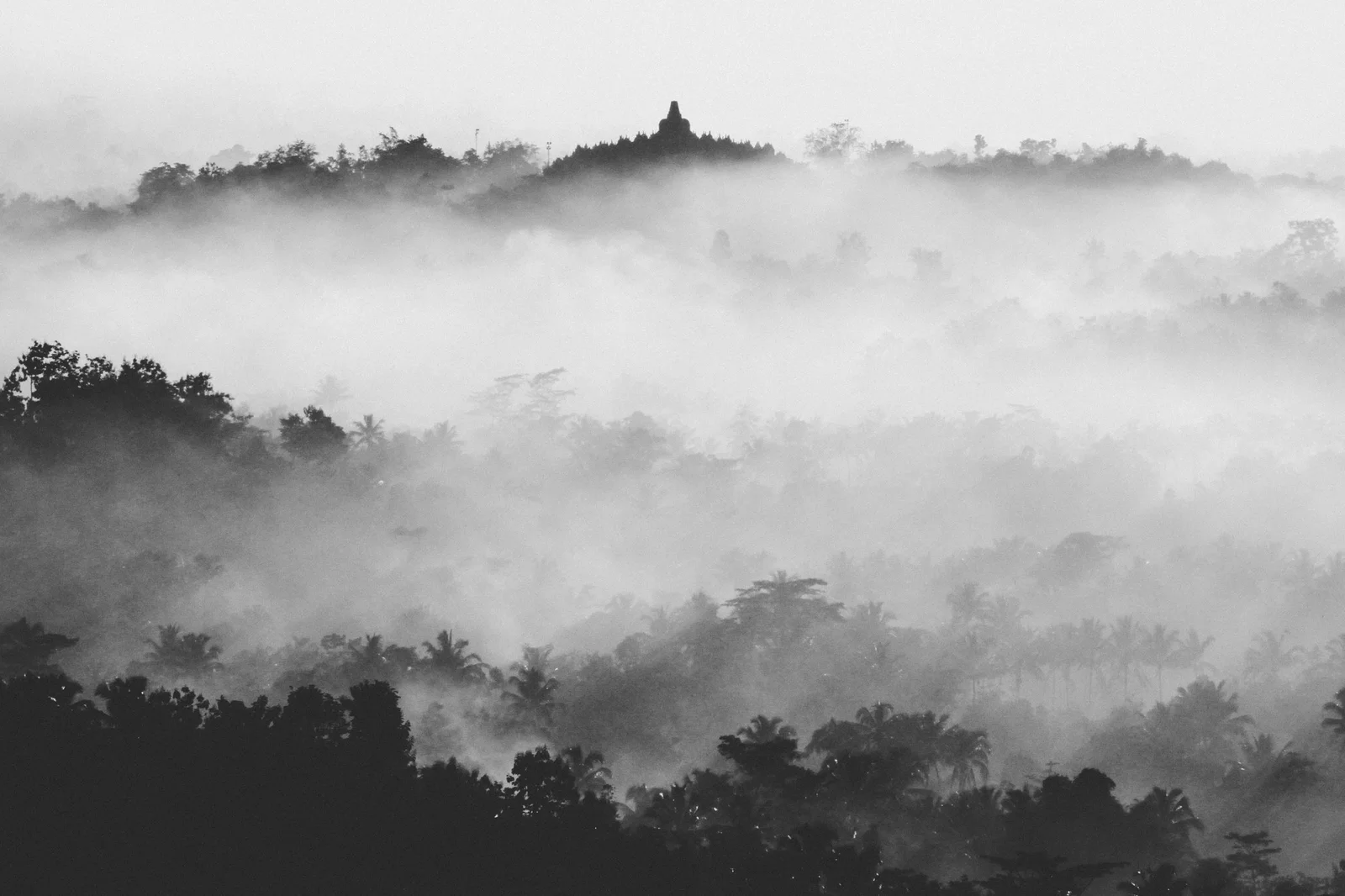
The sunrise at Borobudur is an iconic experience. Waking before dawn, arriving in the cool, pre-light air, and watching the sun slowly illuminate the temple and the surrounding volcanoes is truly special.
The Experience:
You’ll typically arrive around 4:30 AM, register, and walk through the dark pathways towards the temple. As the sky lightens, the temple’s silhouette emerges, and then the details of its reliefs and stupas become visible. The mist often hangs over the landscape, adding to the mystical atmosphere. Seeing the temple come to life with the first rays of light is a profound moment.
Is it worth it?
For many, yes. It provides a unique perspective of the temple, avoids the midday crowds and heat, and offers exceptional photo opportunities. However, it requires a very early start and there’s no guarantee of a clear sunrise – clouds or rain can obscure the view. If a spectacular sunrise is your primary goal, consider a two-day itinerary to give yourself a second chance.
Our Borobudur Sunrise Package:
Our Bali Premium Trip Borobudur tour including Prambanan often starts with a sunrise option. This typically involves an early pick-up, direct transfer to Borobudur, assistance with sunrise access tickets (if required and available), and a guided tour of the temple as the day begins.
Prambanan Sunset: A Dramatic End to Your Day
While Borobudur is famed for its sunrise, Prambanan offers a beautiful setting for sunset. The towering spires of the Hindu temples, often silhouetted against an orange or purple sky, create a dramatic backdrop.
The Experience:
As the afternoon progresses, the crowds at Prambanan tend to thin out. The golden hour light bathes the temples in a warm glow, enhancing their intricate details. Finding a spot with a clear view of the main temples as the sun dips below the horizon is a peaceful way to end your temple explorations.
Ratu Boko for Sunset:
An alternative or addition to Prambanan sunset is the Ratu Boko Palace ruins. Located on a plateau just a few kilometers south of Prambanan, Ratu Boko offers panoramic views of Prambanan temple and Mount Merapi in the distance, making it a popular spot for sunset. A separate entrance ticket is required for Ratu Boko (approximately US$20-25, last verified June 2026). Our Borobudur Prambanan Ratu Boko tour option includes this.
Beyond the Main Temples: Mendut, Pawon, and Ratu Boko
A comprehensive Borobudur Prambanan tour package often extends beyond the two main sites to include smaller, but equally significant, temples and ruins.
Borobudur Mendut Pawon Temple Tour
Located just a few kilometers east of Borobudur, these two smaller Buddhist temples are historically and spiritually linked to the main monument.
- Mendut Temple: Houses a magnificent 3-meter-tall statue of Buddha, flanked by Bodhisattvas. The temple’s single chamber is believed to have been where devotees prepared themselves spiritually before visiting Borobudur.
- Pawon Temple: A small, elegant temple situated between Mendut and Borobudur. Its exact function is debated, but it’s thought to have been a purification sanctuary or a place for offerings.
Visiting Mendut and Pawon adds depth to your understanding of the Buddhist pilgrimage route and can be easily integrated into any Borobudur itinerary, especially a Borobudur Mendut Pawon temple tour.
Ratu Boko Palace Ruins
As mentioned, Ratu Boko is a unique archaeological site. It’s not a temple in the traditional sense but rather the ruins of an ancient palace complex, possibly dating back to the 8th century.
- Highlights: The site offers grand gates, bathing pools, and meditation caves, all set on a hill with expansive views.
- Sunset Spot: Its elevated position makes it an ideal location for watching the sunset, with Prambanan visible in the distance.
- Integration: A Borobudur Prambanan Ratu Boko tour is a popular combination, especially for a two-day itinerary or a long single day.
Private vs. Group Tour: What’s the Real Difference?
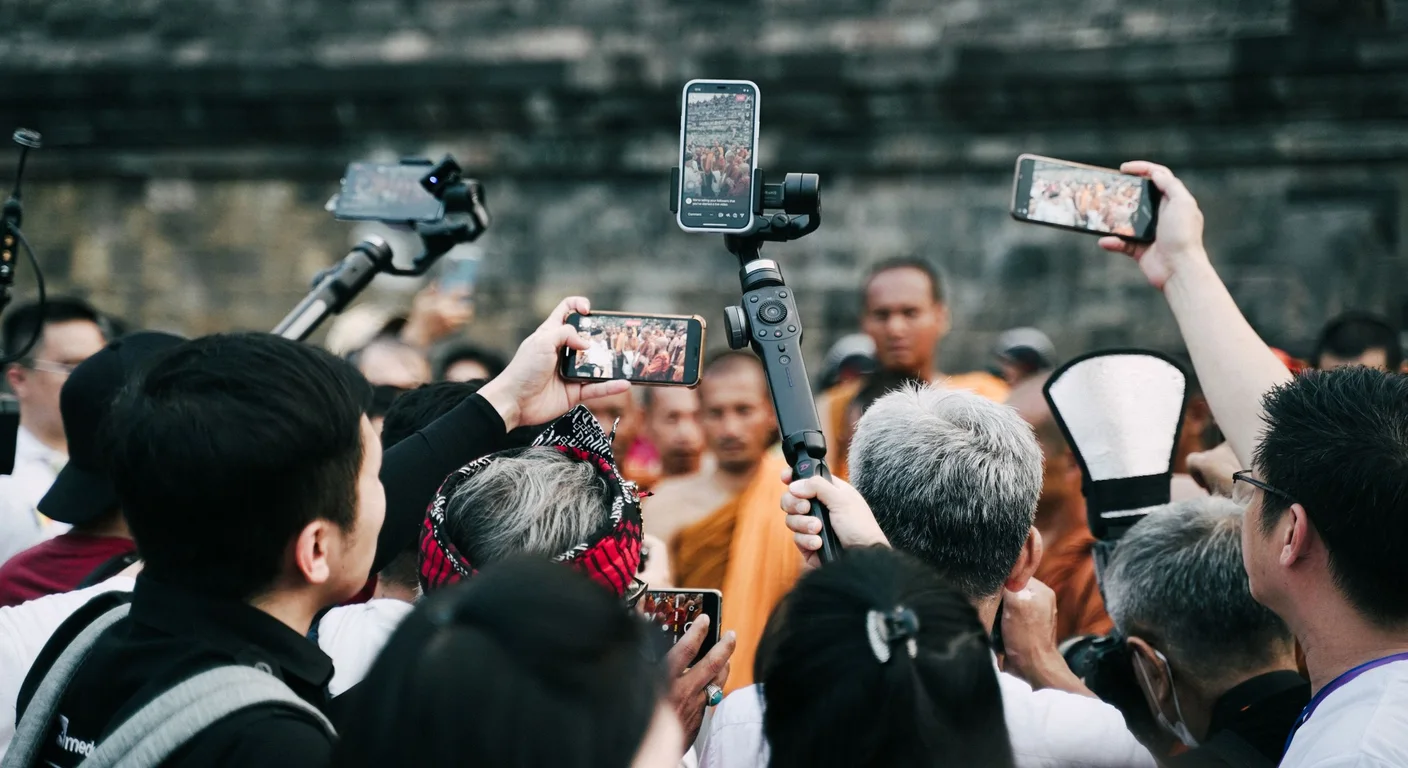
When arranging your Borobudur Prambanan tour, you’ll typically choose between a private or a group tour. The experience and costs differ significantly.
Private Tours (Our Speciality at Bali Premium Trip):
- Flexibility: You set the pace. Spend more time at sites that interest you, skip what doesn’t. Adjust pick-up times, add an extra stop for local coffee, or linger for photos.
- Comfort: Travel in a private, air-conditioned vehicle with just your party. No waiting for others, no cramped spaces.
- Personalized Guide: Your licensed local guide focuses solely on your group, answering all your questions and tailoring explanations to your interests. This is particularly valuable for in-depth understanding of the temples’ history and symbolism.
- Cost: Higher upfront cost per person, especially for solo travelers or small groups. However, for families or groups of 3-4+, the per-person difference can narrow significantly, and the value for money in terms of experience is often superior.
- Example Cost: A private Borobudur Prambanan tour package from Yogyakarta for 2 people, including transfers, guide, and entrance fees, might range from US$250-350 total (US$125-175 per person).
Group Tours:
- Cost-Effective: Generally the cheapest option, as costs are shared among more participants.
- Fixed Itinerary: You adhere to a set schedule and route. Limited flexibility for detours or extended stays.
- Less Personalized: Guides cater to the lowest common denominator, and questions might be less focused. You might spend time waiting for others.
- Comfort: Often involves larger vehicles, which can be less comfortable.
- Example Cost: A group Borobudur Prambanan day tour from Yogyakarta, typically including basic transfers and entrance fees (sometimes excluding guide), might range from US$80-150 per person.
At Bali Premium Trip, we specialize in private tours because we believe they offer the best way to experience these magnificent sites. Our focus is on creating a tailored, comfortable, and informative journey for you.
The Real Cost of a Borobudur + Prambanan Tour Package
Understanding the cost components helps you budget effectively. As Sari, I focus on transparency. Prices fluctuate based on season, fuel costs, and specific regulations, so I always provide ranges. The prices below were last verified in June 2026.
Cost Breakdown for a Private Borobudur Prambanan Tour from Yogyakarta (Full Day)
- Private Car & Driver (10-12 hours): US$60-100 (per vehicle, not per person, covers fuel, parking, driver’s fee).
- Licensed Local Guide: US$40-70 (per guide for the day).
- Borobudur Entrance Ticket: US$25-30 (international visitor).
- Borobudur Temple Climb Ticket: US$20-30 (additional, if available and desired).
- Prambanan Entrance Ticket: US$25-30 (international visitor).
- Combined Borobudur + Prambanan Ticket: US$45-55 (alternative to buying separately).
- Meals: US$10-25 per person for lunch/dinner at local restaurants.
- Mendut & Pawon Entrance: US$5-10 (often included in Borobudur area tours).
- Ratu Boko Entrance (if added): US$20-25.
Total Indicative Cost (per person for a 2-person private tour):
- Basic Day Tour (Borobudur + Prambanan, no climb, with guide, private car): US$180 – US$250 per person.
- Sunrise Day Tour (with temple climb, Mendut/Pawon, Ratu Boko, with guide, private car): US$250 – US$350 per person.
Cost Breakdown for a Private Borobudur Prambanan 2 Day Itinerary from Bali
This involves significantly more components.
- Return Flights Bali (DPS) to Yogyakarta (YIA): US$100-250 per person (highly variable by airline, booking time, and season).
- Airport Transfers (YIA to Hotel, Hotel to YIA): US$30-60 per transfer (private car).
- Accommodation (1 night, mid-range hotel): US$50-150 per room.
- Private Car & Driver (2 full days): US$120-200.
- Licensed Local Guide (2 full days): US$80-140.
- Temple Entrance Fees: Same as above, approx. US$45-55 (combined ticket).
- Meals: US$20-50 per person for 2 days.
Total Indicative Cost (per person for a 2-person private tour):
- 2-Day Comprehensive Tour (with flights, mid-range hotel, all transfers, guide, entrance fees): US$700 – US$1,200 per person.
These figures are a guide. Factors like peak season, hotel choice, and specific tour customizations will influence the final price. Our Bali Premium Trip team provides transparent, published rates when you inquire.
When is the Best Time to Visit Borobudur and Prambanan?
Central Java experiences two main seasons: the dry season and the wet season.
- Dry Season (May to September): This is generally considered the best time to visit.
- Pros: Less rain, clearer skies, lower humidity, ideal for outdoor activities and photography. Sunrise and sunset views are more likely to be unobstructed.
- Cons: Higher tourist numbers, especially in July and August. Prices for flights and accommodation might be slightly higher.
- Wet Season (October to April):
- Pros: Fewer tourists, lush green landscapes, occasional dramatic skies for photography. Prices might be slightly lower.
- Cons: Daily rainfall (usually short, heavy downpours in the afternoon), higher humidity, increased risk of obscured sunrise/sunset views. Temple grounds can be slippery.
My candid advice: The dry season offers the most reliable weather for temple visits. However, visiting in the shoulder months (May, September, early October) can
Ready to experience Borobudur without the usual planning headaches?
We’re here to help. Our team at Bali Premium Trip is dedicated to creating a memorable and meaningful journey for you.